Millennium Systems International · Enterprise SaaS
Meevo: one source of truth for 5,000+ medical spas
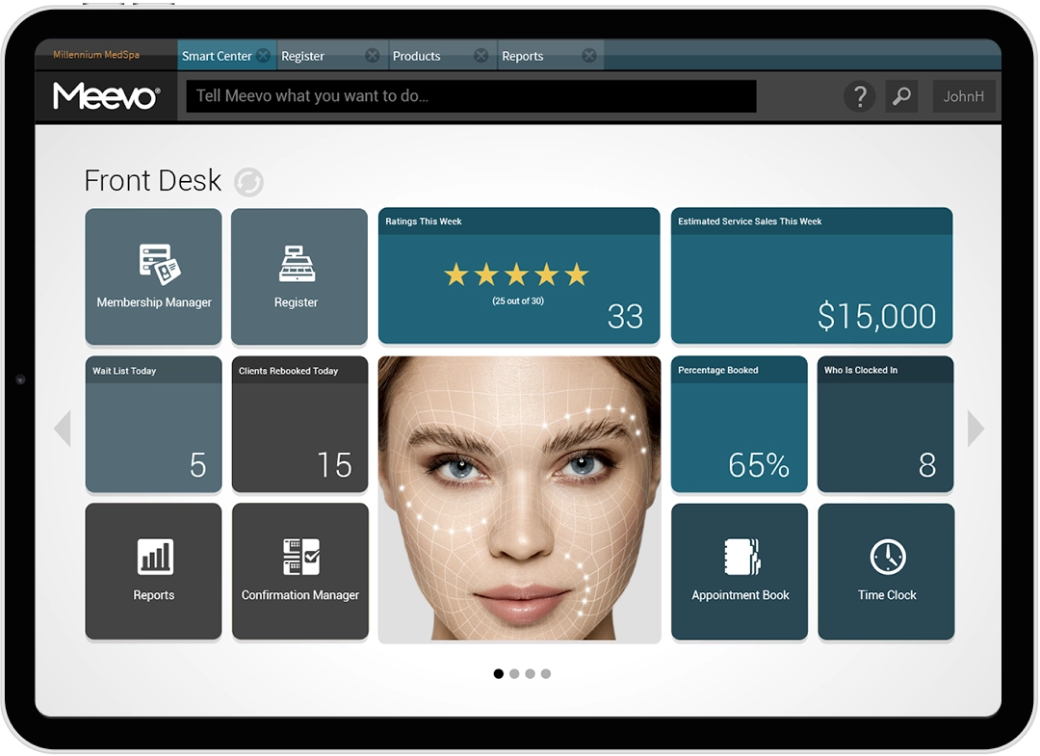
Medical spas were running their business across disconnected systems. I defined and drove the product design strategy for Meevo’s dashboard and charting experience, unifying scheduling, POS and CRM data into a single source of truth so operators could make decisions from evidence. I then designed an AI assistant for the dashboard that surfaces the metrics that matter.
My role
UX Architect, design strategy lead
Team
Nick Hahn (executive sponsor), Nana Adu-Krow (product), Jose Delavalle (engineering)
Timeline
2023 to 2025
Outcome
SUS 59 → 74
1 · Context 2 · Research 3 · Insights 4 · Design 5 · Results
01 · Context
The challenge
Fragmented data
Medical spas operated across five or more disconnected systems for scheduling, POS, CRM and inventory. Those silos made a complete view of the business impossible, so I scoped a unified data layer as the design foundation.
No culture of data-driven decisions
Owners and managers lacked accessible, actionable analytics, so decisions were based on instinct. I framed this as a design strategy problem: how might we make complex operational data intuitive enough to change behavior across thousands of non-technical users?
Operational bottlenecks at scale
Manual reporting took 8+ hours a week per location, pulling staff away from client care. I built the case for automation-first patterns that could scale across the entire customer base.
02 · Research
How we learned
I ran our design process inside an agile cadence with 2-week sprints and continuous discovery. Research was embedded directly in the design workflow, so insights turned into decisions without a handoff.
Competitive analysis
12 platforms mapped to find whitespace and shape design principles
Stakeholder and field research
Executives, owners, managers, front desk staff and providers
Card sorting and tree testing
30+ participants to rebuild the information architecture
I synthesized the findings into personas and journey maps that became the team’s shared decision-making framework, and set a System Usability Scale (SUS) baseline to measure progress.
03 · Insights
Information architecture
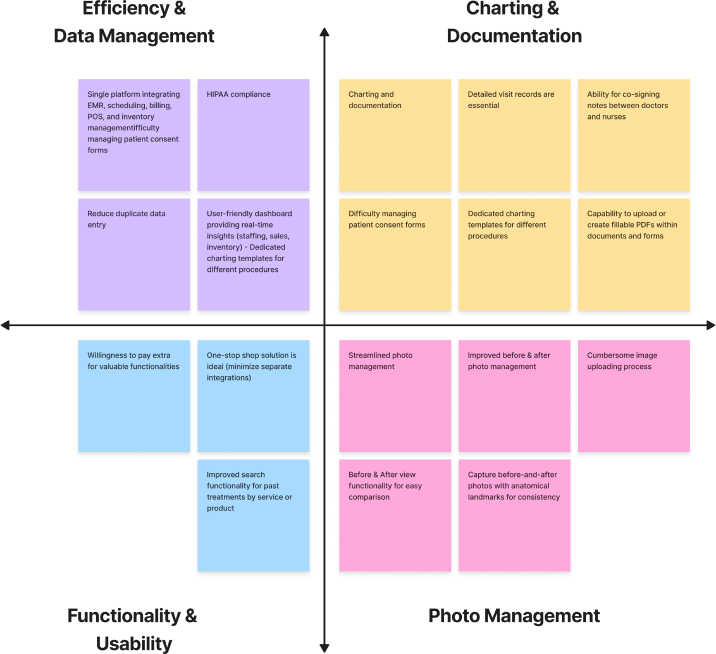
Years of feature additions had left the product with navigation debt. Card sorting and tree testing gave us a scalable IA framework that improved task completion rates by 40% and shortened time to insight for key reporting workflows.
04 · Design
What we built and why
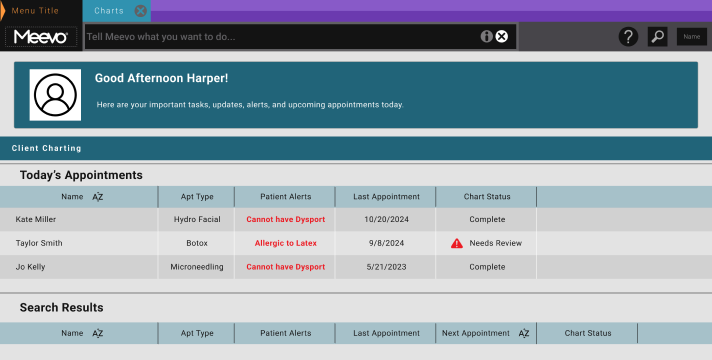
I turned research insights into progressive wireframes and interactive prototypes, led design reviews with engineering and product leadership, and ran usability testing cycles to refine the experience. Every major decision was tied to user evidence and a business outcome.
PRISM design system
I created and led PRISM, a company-wide design system built on atomic design principles. I set up governance, contribution guidelines and a quality bar for components so designers and engineers could build confidently without constant oversight.
AI assistant
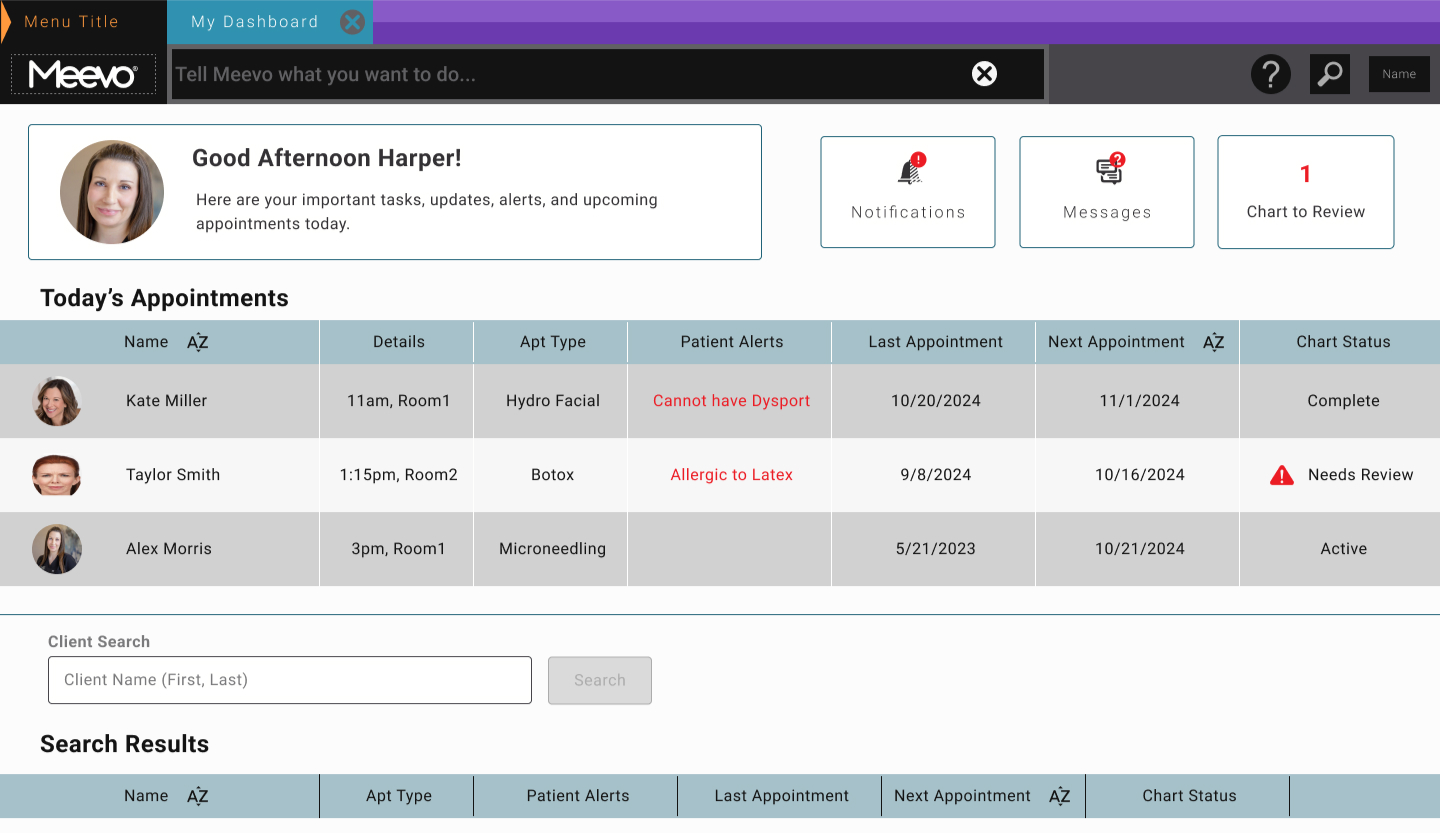
I designed the integration of an AI assistant into the client-facing analytics dashboard. It surfaces and highlights the key metrics, explains what changed, and suggests next steps, so owners who are not data experts can make sense of their business faster and decide what to do.
05 · Results
The impact
59 → 74
System Usability Scale score, from below average to good
+40%
task completion after the IA restructure
60% faster
design-to-dev handoff with PRISM